Common Mistakes Diaspora Buyers Make When Buying Property in Rwanda
Buying property in Rwanda while living abroad can be a rewarding and manageable process—but only when each step is properly verified. This guide explains ten common mistakes diaspora buyers make and the practical steps that can reduce risk.

Shafi Danny MUGABO
Writer

On this page22
- 1. Relying only on relatives, friends or informal brokers
- What to do instead
- 2. Sending money before properly verifying the property
- What to do instead
- 3. Not confirming ownership and property documents
- What to do instead
- 4. Buying based only on photos, videos or WhatsApp conversations
- What to do instead
- 5. Failing to understand the full cost of the purchase
- What to do instead
- 6. Proceeding without clear written agreements
- What to do instead
- 7. Ignoring location, infrastructure, zoning or development restrictions
- What to do instead
- 8. Failing to verify the professionals involved
- What to do instead
- 9. Buying without a plan for managing the property
- What to do instead
- 10. Making an investment decision based on promised returns
- What to do instead
- A practical checklist before paying
- Buying from abroad with greater confidence
Buying land, a house or an investment property in Rwanda while living abroad is entirely possible. Digital property platforms, online communication and government land-information services have made it easier to research opportunities and coordinate transactions from another country.
Distance, however, can make it difficult to inspect a property, confirm what you have been told or supervise every stage of a transaction. Diaspora buyers therefore need a process that combines technology with independent professional verification.
Here are ten common mistakes to avoid—and the better approach to take instead.
1. Relying only on relatives, friends or informal brokers
It is natural to ask relatives or friends in Rwanda to help identify property. They may understand the area and can sometimes visit properties on your behalf.
The mistake is allowing one informal contact to control the entire process, including selecting the property, negotiating the price, checking the documents and receiving the money.
Even a well-intentioned person may lack the experience to identify title restrictions, planning issues, structural problems or an unrealistic asking price. Personal relationships can also make it harder to ask difficult questions or demand written accountability.
What to do instead
Your relative or friend can remain involved, but important checks should be handled independently. Depending on the transaction, this may include a qualified legal professional, valuer, surveyor, engineer or property adviser.
Give every representative a clear written role. Ask for records of inspections, communications, payments and documents rather than relying exclusively on verbal updates.
Digital property platforms such as Nextline Homes can also help buyers organize their initial search, compare available properties and communicate with property professionals without depending on a single personal connection.
2. Sending money before properly verifying the property
Pressure to pay a deposit quickly is one of the biggest risks in a remote transaction. A buyer may be told that several other people are interested or that payment is needed immediately to reserve the property.
Sending money before verification can leave the buyer in a weak position if the seller is not the registered owner, the property has restrictions, the boundaries are different from what was advertised or the parties later disagree about the terms.
What to do instead
Before paying, confirm at minimum:
The identity and legal authority of the seller
The property’s Unique Parcel Identifier, where applicable
The registered ownership information
The physical location and boundaries
Any registered caveats, mortgages or other restrictions
The agreed purchase price and payment schedule
The conditions under which a deposit is refundable or non-refundable
Payments should follow a written agreement, use a traceable method and be made only to the person or account identified in that agreement. Obtain a receipt or other formal proof for every payment.
3. Not confirming ownership and property documents
A copy of a land document sent through WhatsApp is not, by itself, sufficient proof that the person offering a property has the right to sell it.
Rwanda’s National Land Authority maintains land-administration information concerning registered rights, land use and land transactions. Its services include land-information inquiries and confirmation of registered right holders. Registered restrictions, including caveats, may affect whether a property can be transferred.
Apartments require particular attention. A condominium unit may have its own registration and identifier, so buyers should verify the exact unit being offered—not only the land or development on which the building stands.
What to do instead
Use official land-information channels and obtain professional assistance to check:
Whether the seller matches the registered right holder
Whether the parcel or condominium-unit details match the property being offered
Whether the person signing has authority to act for the owner
Whether there are mortgages, caveats or other registered restrictions
Whether the boundaries shown in the documents match the land on the ground
Whether a proposed subdivision has been formally completed
The National Land Authority explains that when only part of a parcel is being sold, the parcel must first be subdivided before the resulting portion can be transferred separately.
Buyers should complete these checks using current official records, not screenshots or documents supplied only by the seller.
4. Buying based only on photos, videos or WhatsApp conversations
Good photographs can make a property attractive, but they may not show access problems, drainage, unfinished work, structural defects, neighbouring activities or the actual condition of the surrounding area.
Videos and map pins can also be incomplete or taken from angles that do not clearly establish the property’s boundaries.
What to do instead
Arrange an independent physical inspection. If you cannot travel, ask a qualified person who is not financially dependent on the seller to inspect the property and produce a written report.
For land, confirm the parcel’s position and boundaries on the ground. For a completed house or apartment, consider an inspection covering the building’s condition, utilities, access, drainage and necessary repairs.
A live video tour can support this process, but it should complement—not replace—document checks and an independent site visit.
5. Failing to understand the full cost of the purchase
The advertised price is not necessarily the buyer’s complete financial commitment.
Depending on the property and transaction structure, a purchase budget may also need to account for professional advice, valuation, registration or notarial services, financing costs, applicable taxes and charges, insurance, repairs, utilities and ongoing management.
For a rental investment, furnishing, maintenance and periods without a tenant may also affect the buyer’s budget.
What to do instead
Request a written cost schedule before committing to the purchase. Separate one-time acquisition costs from ongoing ownership expenses.
Confirm current government charges and applicable tax obligations directly with the relevant authorities or a qualified professional. Do not rely on an old social-media post or a fee quoted for someone else’s transaction.
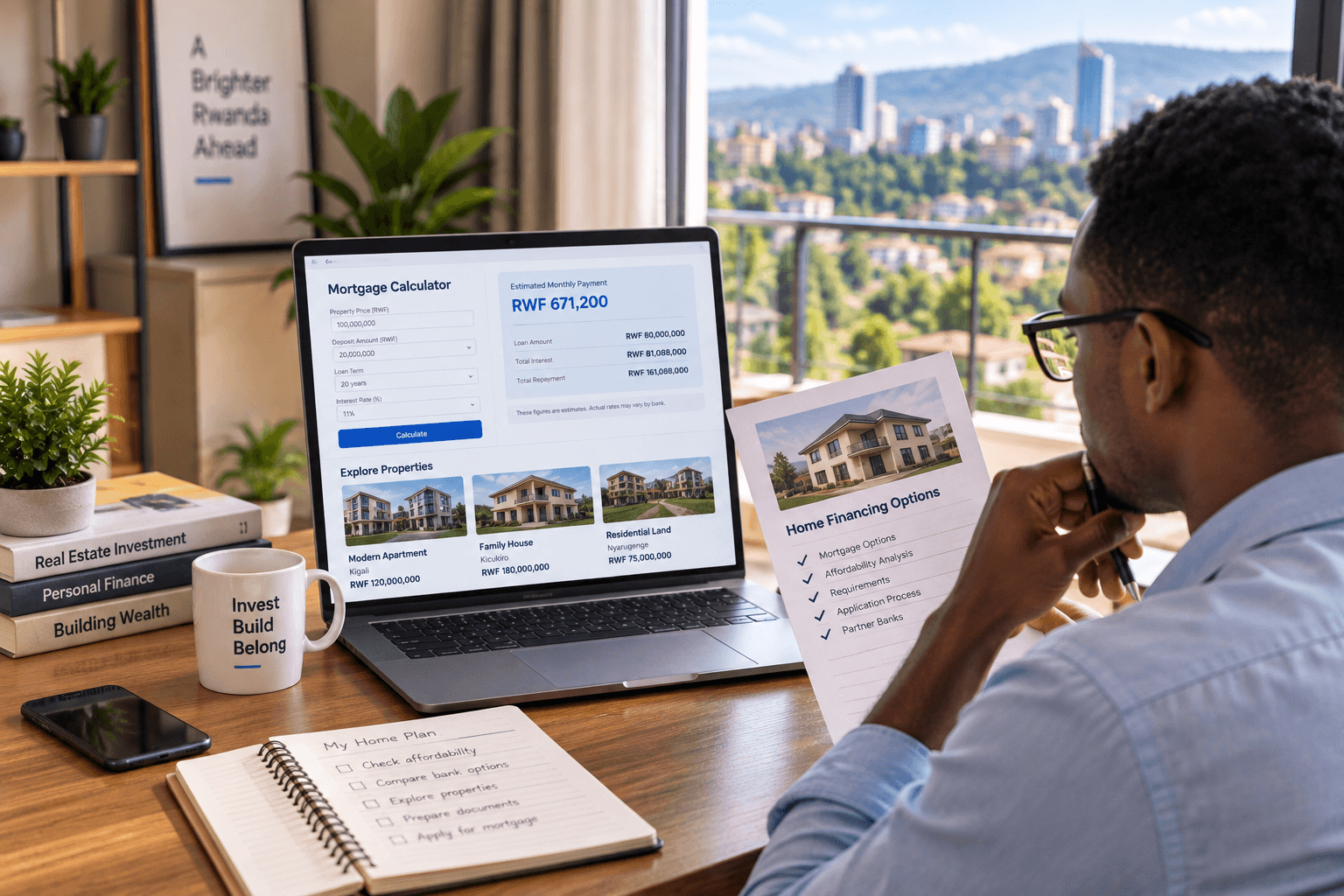
Nextline Homes mortgage and affordability tools can help buyers explore possible budgets and repayment scenarios. Such calculations should be treated as planning estimates, however. Actual eligibility, interest, fees and repayment terms must be confirmed with the lender.
6. Proceeding without clear written agreements
Informal promises can create serious misunderstandings about the price, payment deadlines, property boundaries, included fixtures, completion work and handover date.
Chat messages may help document a conversation, but they are not a substitute for a properly prepared agreement that reflects the complete transaction.
What to do instead
Use a written agreement reviewed by an appropriate professional. It should clearly identify:
The buyer and seller
The property and its registration details
The agreed price and currency
The deposit and payment schedule
Conditions that must be satisfied before further payment
The process and timing for transfer
The handover date and condition of the property
Items or fixtures included in the sale
What happens if either party fails to complete the transaction
How disputes will be handled
The National Land Authority publishes information and forms relating to voluntary-sale transfers, including a contract template. A template is a useful starting point, but buyers should ensure the final agreement fits their particular transaction.
7. Ignoring location, infrastructure, zoning or development restrictions
A low price does not automatically make a property a good investment. A parcel may not be suitable for the buyer’s intended project, or development may be affected by planning, access, environmental or infrastructure considerations.
The National Land Authority notes that land use is governed through national and local land-use and development plans, including the Kigali City Master Plan and district or local plans.
What to do instead
Before purchasing, investigate:
The permitted use of the property
Whether the intended building or business activity is likely to be allowed
Legal and practical access to the property
Availability of roads, water, electricity and other services
Possible road reserves or public infrastructure plans
Drainage, terrain and environmental conditions
Current and planned development in the surrounding area
Infrastructure announcements should also be evaluated carefully. A proposed road or public project may improve connectivity, but it does not guarantee that an individual property will increase in value.
Confirm planning and development information with the responsible authorities before making a decision.
8. Failing to verify the professionals involved
A professional-looking social-media profile, business card or office sign does not prove that someone has the qualifications or authority they claim.
This applies to agents, lawyers, valuers, surveyors, engineers, developers and property managers. It also applies to anyone presenting themselves as an authorized representative of the owner.
What to do instead
Verify identities, qualifications and professional status through the relevant government registry, regulator or professional body where applicable.
Ask for:
Full legal and business names
Identification and registration details
A physical office address
A written scope of work
A clear fee schedule
References from recent clients
Formal invoices and receipts
Communicate directly with each professional instead of allowing one intermediary to manage every relationship. If the same person appears to represent several sides of the transaction, ask for a clear explanation of their role and any potential conflict of interest.
9. Buying without a plan for managing the property
Completing the purchase is only the beginning. A property can deteriorate or underperform if nobody is responsible for security, inspections, repairs, tenant communication or payment records.
This is especially important for diaspora owners who may not visit Rwanda regularly.
What to do instead
Create a management plan before completion. Decide who will be responsible for:
Routine property inspections
Security and access control
Advertising and tenant selection
Lease documentation
Rent collection and arrears
Maintenance and emergency repairs
Utility and service payments
Financial reports and expense records
Insurance and relevant compliance matters
If appointing a relative, agent or professional property manager, put their responsibilities and spending authority in writing. Establish how often you will receive reports and require supporting records for expenses.
Professional property-management support, including services available through platforms such as Nextline Homes, can help remote owners coordinate tenants, inspections and maintenance with clearer accountability.
10. Making an investment decision based on promised returns
Statements such as “the rent will cover everything” or “the value will double” should not replace independent research.
Returns can be affected by the purchase price, actual rent achieved, vacancy, maintenance, management expenses, financing costs, taxes, neighbourhood demand and the time required to resell the property.
What to do instead
Prepare a realistic investment assessment using independently checked information. Compare similar properties in the same area and consider several possible outcomes, including lower rent, longer vacancy or higher maintenance costs.
Ask:
Who is the likely tenant or future buyer?
What comparable properties are actually available?
How long might it take to find a tenant?
What expenses will reduce the gross rental income?
Is demand tied to one employer, institution or temporary project?
How easy would the property be to resell?
Does the investment still make sense under less favourable assumptions?
Treat projected returns as estimates, not guarantees. A professional valuation and local market assessment may provide a stronger basis for the decision than promotional figures supplied by someone earning a commission from the sale.
A practical checklist before paying
Before sending a deposit or signing a final commitment, a diaspora buyer should be able to answer yes to the following questions:
Have I independently confirmed the seller’s identity and authority?
Have I checked the current registration details through an official channel?
Do the documents, parcel boundaries and physical property match?
Have I checked for caveats, mortgages or other restrictions?
Have I confirmed the intended use against applicable planning requirements?
Has an independent person inspected the property?
Do I have a complete written agreement?
Do I understand the full estimated acquisition and ownership costs?
Are payments traceable and supported by receipts?
Have I verified the professionals involved?
If this is an investment, have I tested the projected return independently?
Do I have a plan for managing the property after purchase?
Buying from abroad with greater confidence
Living outside Rwanda should not prevent you from buying property at home. It simply makes independent checks, written records and reliable local support more important.
Digital search through Nextline Homes can help buyers explore and compare properties before travelling. Mortgage and affordability tools can support early financial planning, while professional transaction and property-management support can help close the practical gap between the buyer and the property.
Technology makes the process easier, but it does not replace official ownership checks, a physical inspection or appropriate professional advice. The safest approach is to use all of these tools together and release money only after the essential details have been independently confirmed.